The The Shastri River Basin: A Landscape at a turning point
Ratnagiri District, Maharashtra | Northern Western Ghats & Konkan Region
Hope
Raintree Foundation has learned that scale is not geographic. It is defined by the depth and continuity of impact across communities, livelihoods, and long-term climate resilience.
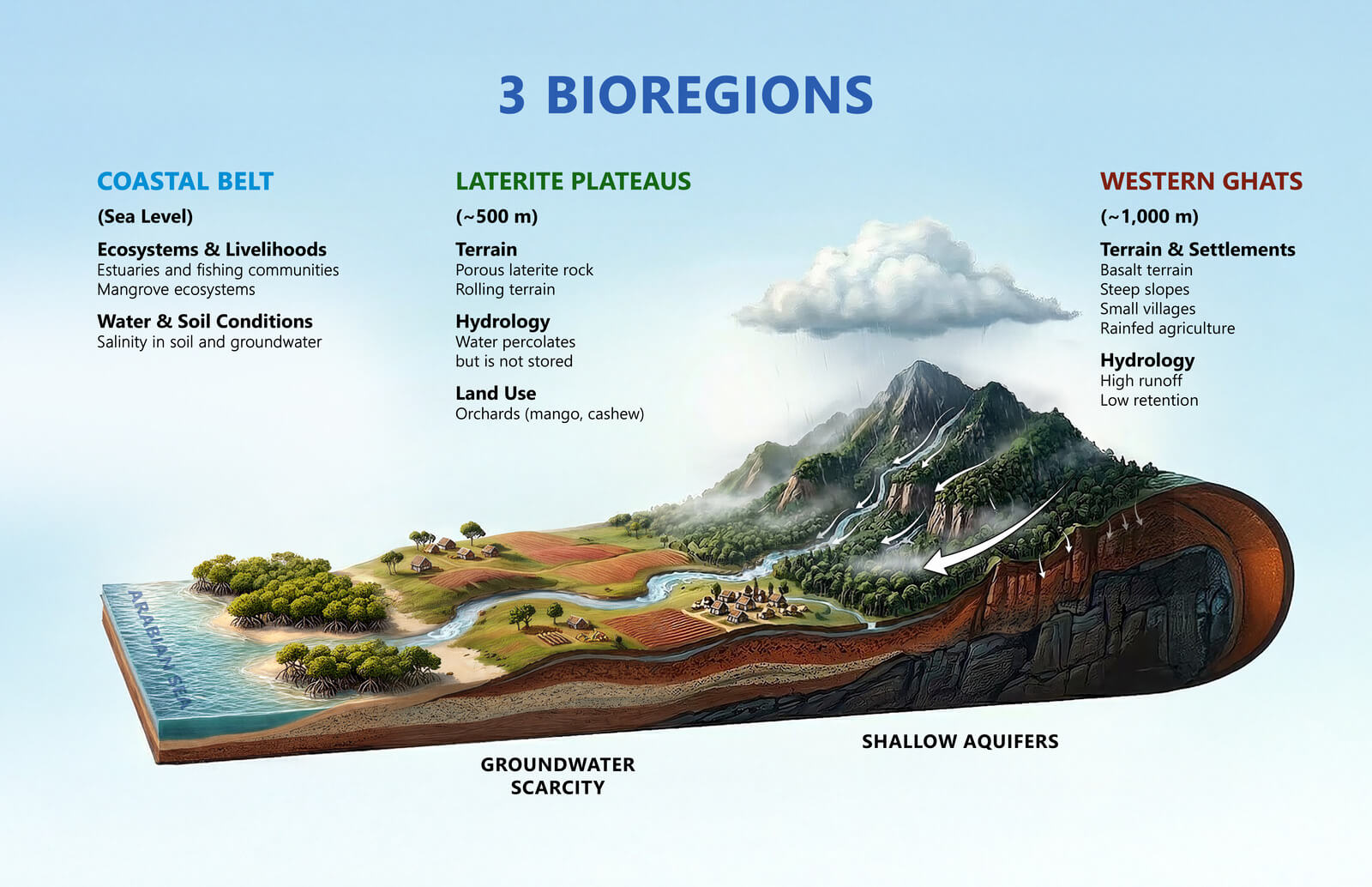
3 Bioregions
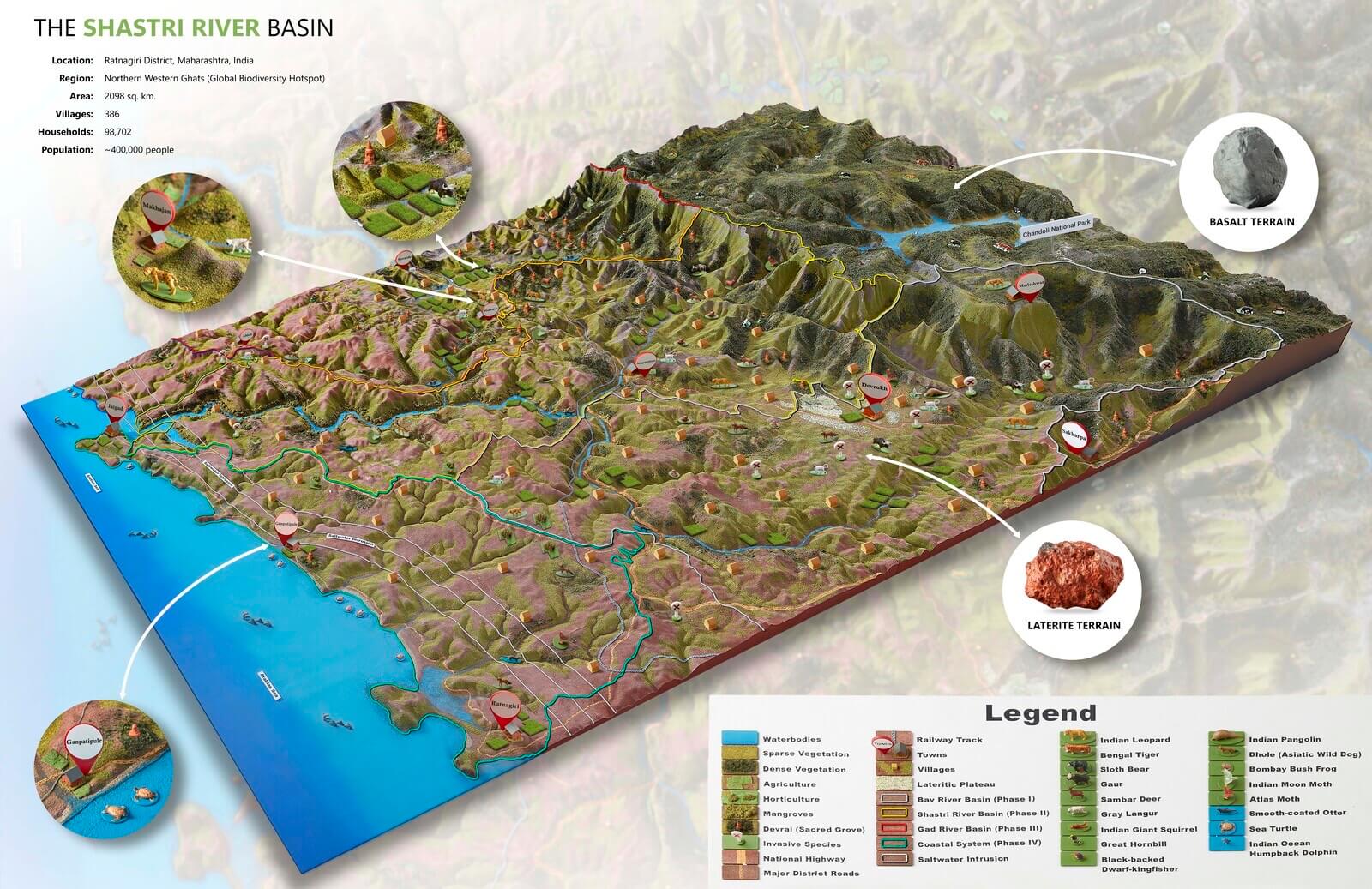
3D Artists impression
A Basin-Wide Vision
This year is marked as an important milestone with the initiation of work in the Shastri River Basin (SRB), Raintree Foundation’s next scale-up geography.
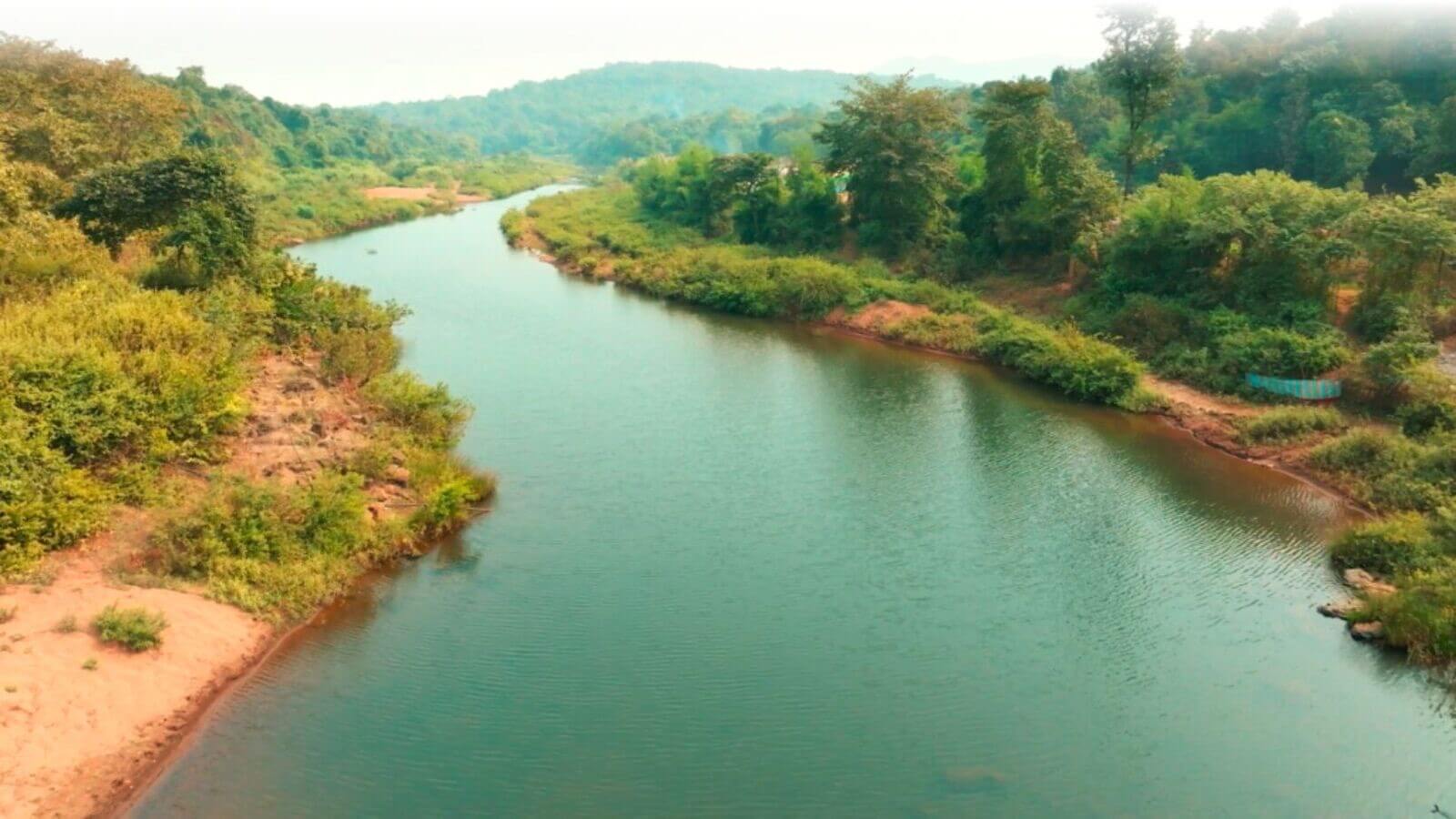
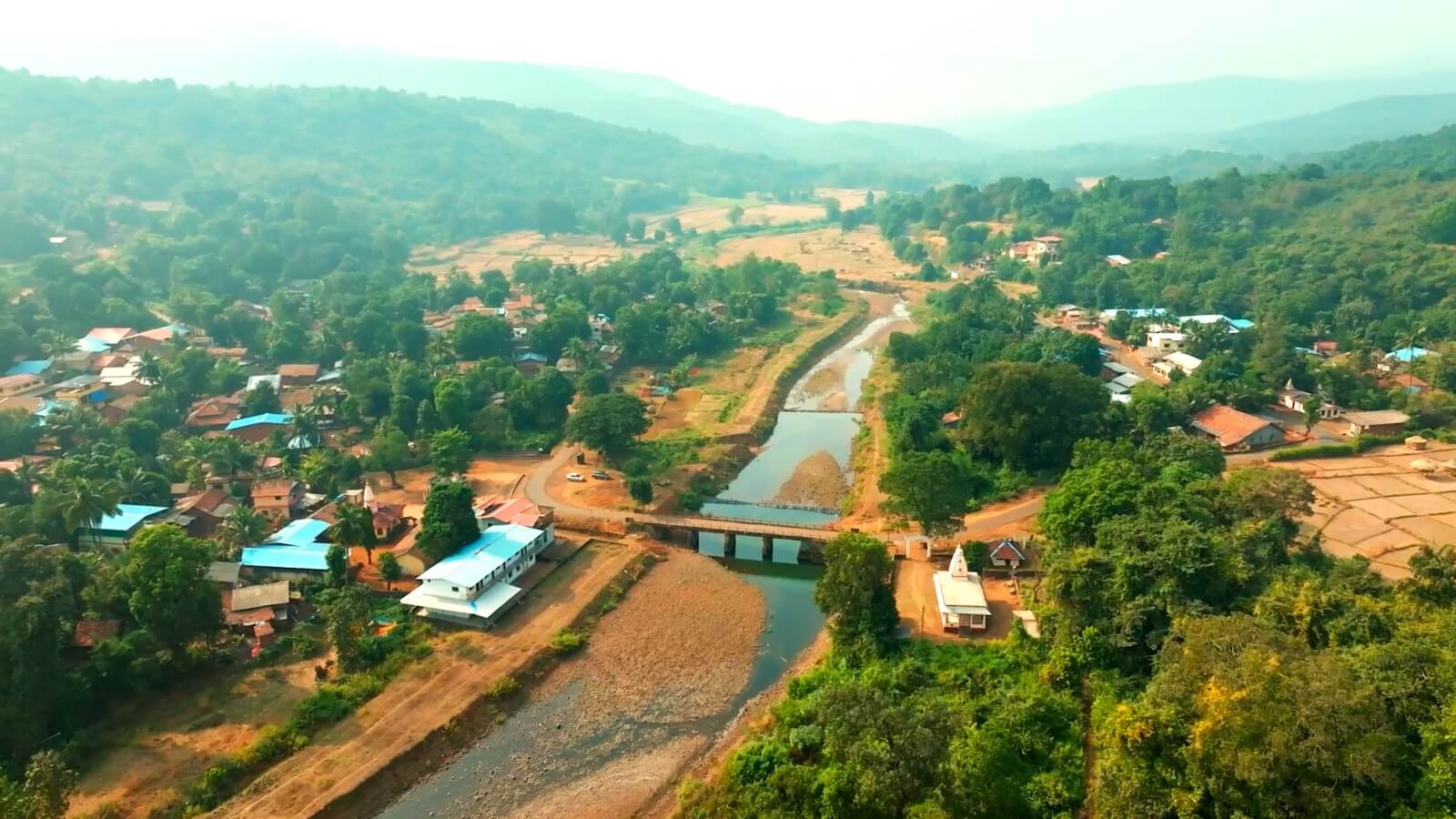
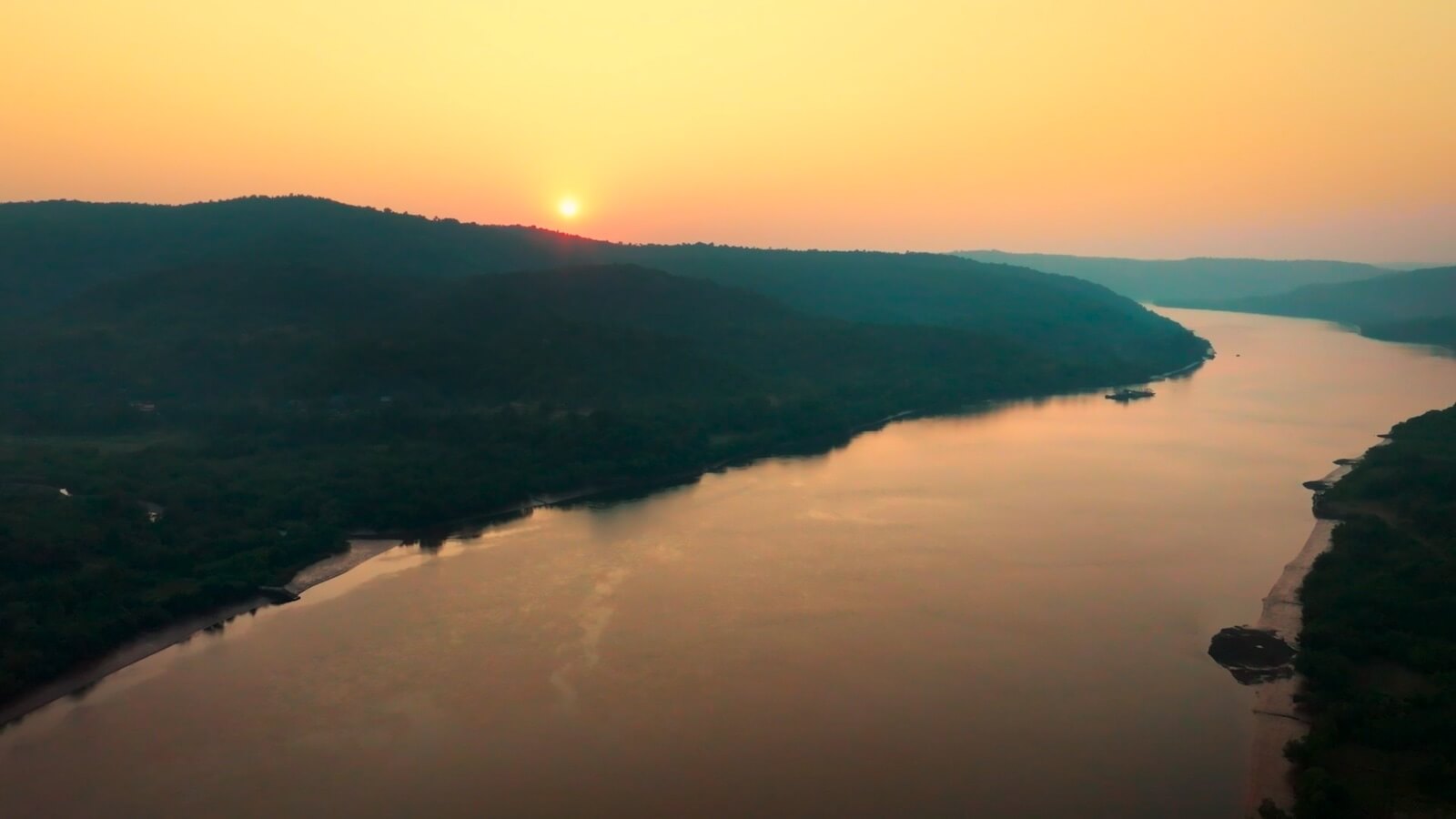
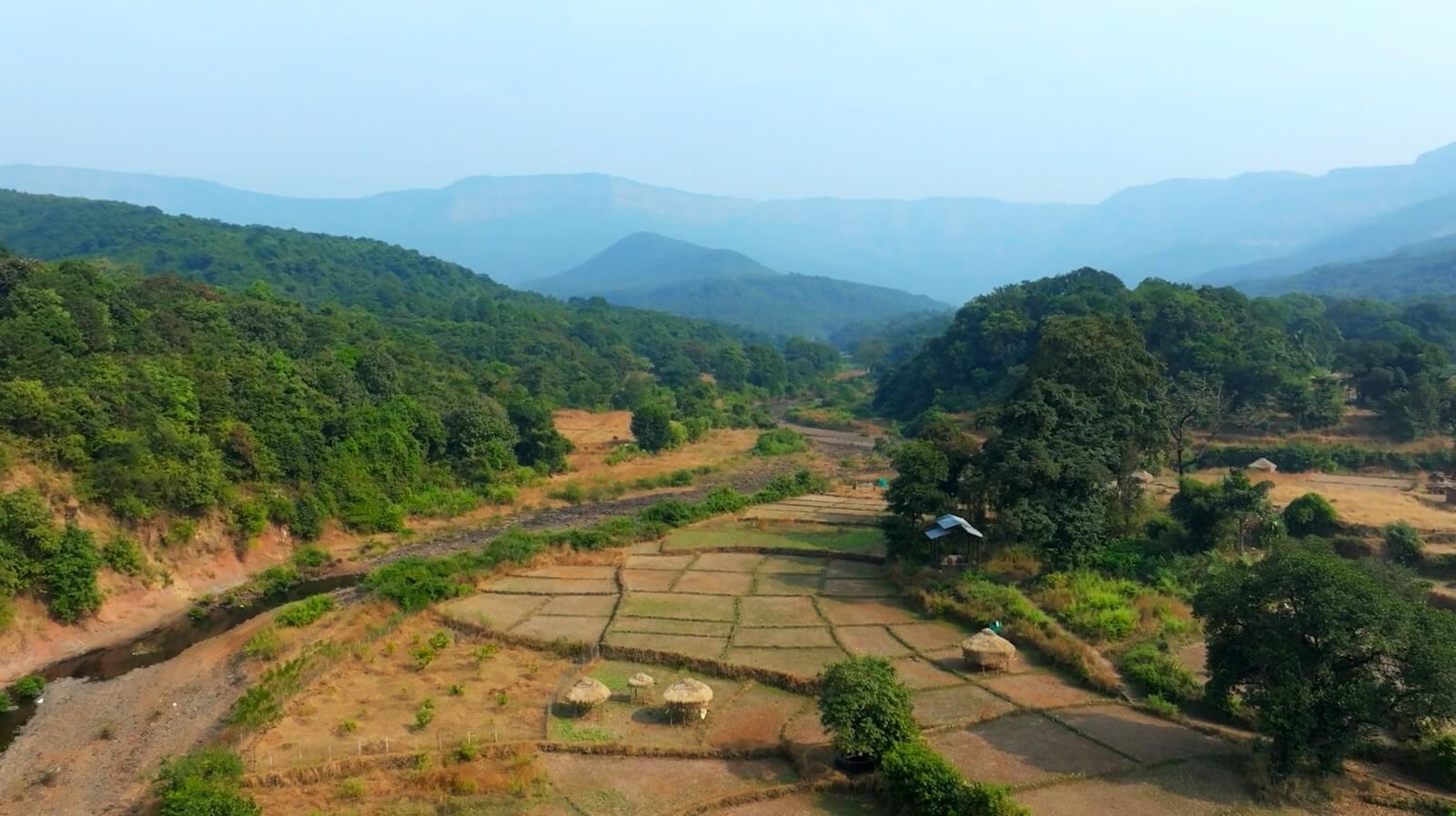
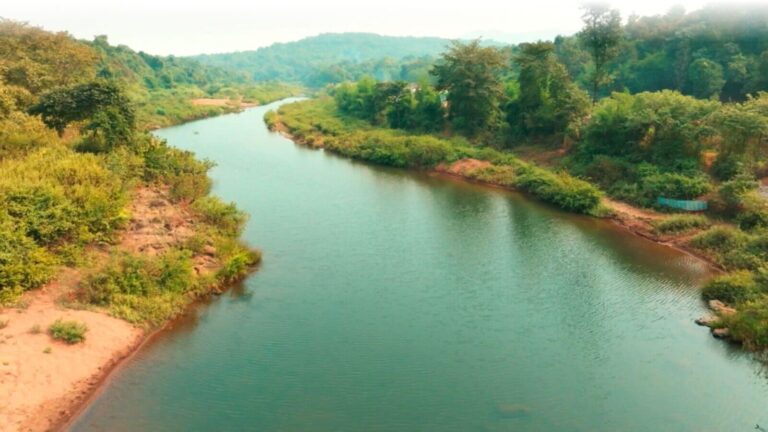
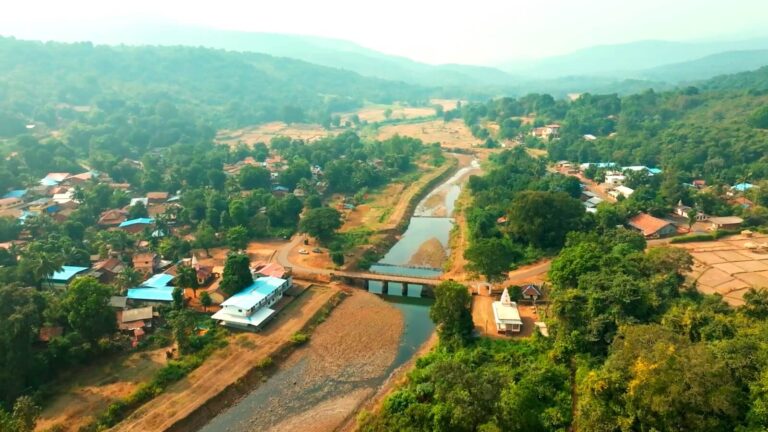
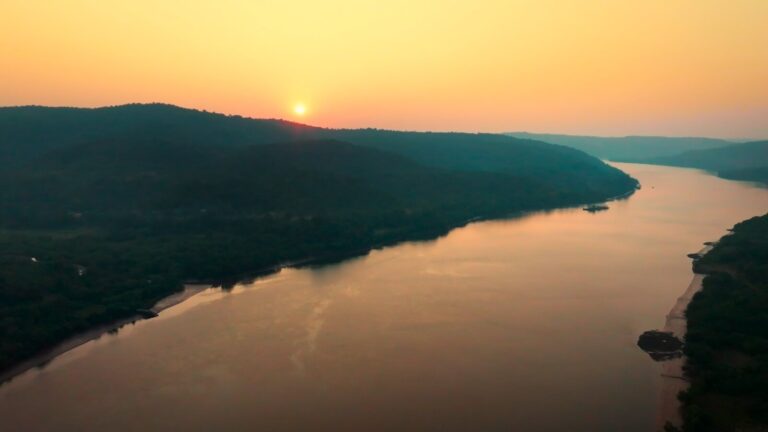
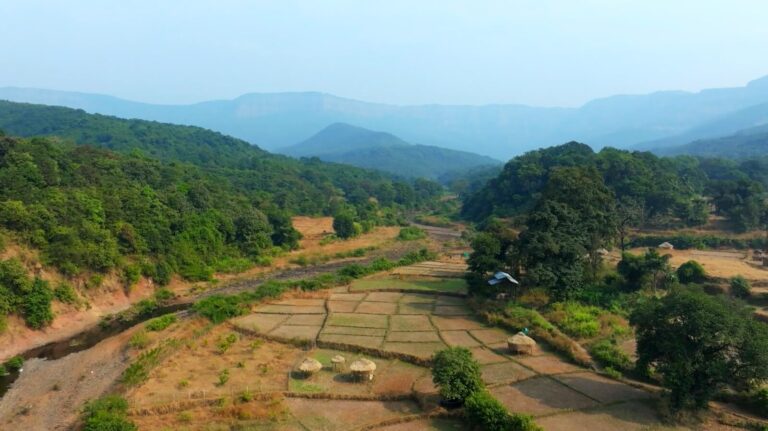
Flowing from the Western Ghats to the Konkan coast, the Shastri River Basin is one of the region’s few largely undammed river systems. It connects nearly 400 villages and around 400,000 people through water, agriculture, horticulture, fisheries, forests, and local markets. It is not simply a river or a catchment. It is a living socio-ecological system. The basin spans three interconnected bioregions ; the upper Western Ghats, the lateritic plateaus, and the coastal estuarine belt. Each has distinct ecological functions and climate risks. But none can be treated in isolation. What happens upstream affects recharge and erosion downstream. What happens across the plateaus affects retention and river health. What happens in the estuaries affects fisheries, salinity, food systems, and livelihoods.
This is why Shastri matters strategically, and why it matters now; while the basin remains largely intact, there is a real window to act before degradation becomes irreversible. It is a real-world test of whether climate resilience can be built at the scale at which risk actually operates: the scale of a connected river basin.
The risks here are already compounding ; water stress, flooding, landslides, salinity intrusion, biodiversity loss, and land-use change. These pressures move through ecosystems and into incomes, infrastructure, migration, and household security.
So a watershed project alone will not be enough. A plantation project alone will not be enough. A livelihoods programme alone will not be enough. The response must be integrated, because the landscape itself is integrated.
The Shastri River Basin represents both urgency and possibility. Protecting a free-flowing river while strengthening community stewardship offers a pathway where conservation and development reinforce each other.